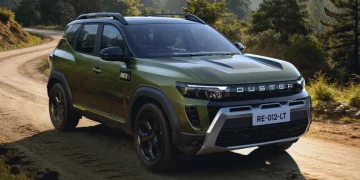


Renault is setting its sights on the burgeoning Indian market with a fresh take on the Dacia Duster, now revamped and rebranded as the Renault Duster. This upgraded version of the iconic SUV, designed specifically for India, introduces a host of enhancements aimed at appealing to the region’s growing middle class while positioning Renault to capture a larger share of the competitive automotive market.
The New Duster: More Than Just a Facelift
The Renault Duster, a name synonymous with affordable practicality in many global markets, is undergoing a transformation that makes it more stylish, high-tech, and refined—especially for Indian consumers. No longer just the budget-friendly, rugged option many knew in Europe, the new model incorporates a more premium feel with added features, upgraded design elements, and a focus on higher comfort and technology integration.
The revamped Duster will offer Indian customers an SUV with more headroom, a posher interior, and an exterior enhanced with vibrant, two-tone paint options and stylish details. The design is noticeably more upscale than the European Duster, which has long been known for its simplicity and ruggedness. The exterior now boasts a redesigned front grille that boldly displays the Duster name, moving away from Renault’s signature diamond logo—a strategic move to tap into the model’s iconic status in the Indian market.
Technology-Driven Features and Comfort
One of the most striking changes in the Indian-spec Duster is the enhanced interior, which now includes plush features like twin 10-inch digital screens and a more refined dashboard layout. The cockpit feels modern, offering more space with a higher center console that separates the driver from the passenger, giving the cabin a premium feel. Additionally, Renault has integrated its advanced Google operating system, making the vehicle more connected and tech-savvy. The system allows for the seamless use of Google apps and, in the future, will support a voice assistant powered by Gemini AI, making the Duster one of the most connected SUVs in its segment.
As for safety, the Duster in India doesn’t just look good but also boasts a comprehensive suite of advanced driver-assist technologies. Features like lane-keep assist, blind-spot warning, automated emergency braking, and driver monitoring systems are all part of the package, showing Renault’s commitment to improving road safety in India, where traffic accidents remain a significant concern. These features are part of a wider strategy to make the Duster safer for Indian roads, which are notorious for their high accident rates.
Engine Options and Performance
The engine lineup for the Indian Renault Duster includes the same hybrid engine found in European models, providing a balance of power and fuel efficiency. The 158bhp E-Tech hybrid powertrain is shared with vehicles like the Renault Clio and Symbioz, bringing a touch of European technology to the Indian market. This hybrid option will account for about 33% of Duster sales in India, reflecting a growing interest in more eco-friendly alternatives in the region.
Additionally, two petrol engines will be available for the Indian market: a 1.0-liter, three-cylinder turbocharged TCe engine producing 99bhp and 160Nm of torque, and a larger 1.3-liter four-cylinder turbocharged engine offering 158bhp and 280Nm of torque. The 1.0-liter engine will be paired exclusively with a six-speed manual transmission, while the 1.3-liter engine can also be equipped with a six-speed dual-clutch transmission for smoother driving dynamics.
The new Renault Duster maintains the same length, wheelbase, and ground clearance as the previous model, but it’s now 4cm taller to accommodate the inclusion of a panoramic glass roof, further enhancing the interior space and giving passengers a more comfortable experience.
Renault’s Strategic Push in India
The launch of the updated Duster marks a key part of Renault’s strategy to increase its presence in the Indian automotive market, which is one of the largest and fastest-growing in the world. India’s automotive industry is on track to become one of the biggest global markets, with over 4.3 million vehicles sold annually, a figure expected to grow to six million by 2030. With SUVs now accounting for more than half of all car registrations in India, the timing for Renault’s new Duster couldn’t be better.
Fabrice Cambolive, Renault’s CEO, emphasized the importance of the Indian market in the company’s global strategy. “India will be one of the world’s biggest growth opportunities in 2026,” he said, noting that the country’s growing middle class and increasing demand for cars make it an essential target market for the French automaker.
Local Manufacturing and Design for Global Appeal
The Indian Duster is not just another vehicle designed with global markets in mind but rather a model specifically tailored to the needs and preferences of Indian consumers. Renault’s Chennai-based design team, along with the manufacturing hub in India, has worked to ensure that the Duster meets local expectations while also benefiting from global Renault expertise. This “feet on the ground” approach is crucial for understanding the local market, and it allows Renault to remain agile and responsive to regional preferences.
Laurens van den Acker, Renault’s design director, explained the company’s global approach: “Having team members in India and China helps us work around the clock on pressing projects, taking advantage of different time zones.” This strategy allows Renault to create cars that not only meet international standards but also reflect the unique needs and tastes of specific regions.
Renault’s Growing International Presence
The Duster’s introduction to India is part of a broader initiative to increase Renault’s global footprint outside of Europe. In 2023, the company committed €3 billion to launch eight new models outside of Europe by 2027, with a focus on larger vehicles aimed at boosting revenue. The Duster is just one example of Renault’s commitment to tapping into the global SUV trend, which continues to dominate car markets worldwide.
Renault’s efforts in India will help the company compete against well-established players, such as Maruti Suzuki, Tata Motors, and Hyundai, all of which have a strong foothold in the Indian SUV market. With the introduction of the new Duster, Renault is positioned to challenge these competitors by offering a vehicle that combines style, technology, and performance at a competitive price point.
The Road Ahead for Renault in India
The revamped Renault Duster offers a glimpse into the future of the Indian automotive market, where technology, safety, and sustainability are becoming essential criteria for consumers. Renault’s strategic move to redesign the Duster for India, integrating global technology with local preferences, reflects the company’s commitment to not only expand its market share in the region but to also shape the future of the global automotive landscape. As the Indian automotive market continues to grow, the Renault Duster stands as a strong contender, offering an affordable, safe, and tech-rich option for today’s consumers.

