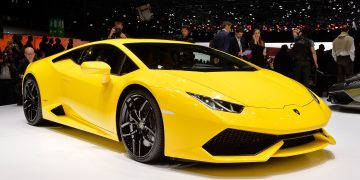


Lamborghini earnings dip despite the Italian luxury carmaker posting record revenue, as rising costs, U.S. tariffs, and strategic shifts weighed on profitability. The performance highlights the growing pressure even high-end brands face in a volatile global market.
The Lamborghini earnings dip comes at a time when the company continues to deliver strong sales. Revenue rose by 3.3 percent to 3.2 billion euros, driven by record deliveries of 10,747 vehicles. However, operating income fell to 768 million euros, down from 835 million euros the previous year. This decline signals that growth in sales does not always translate into higher profits.
The Lamborghini earnings dip was partly driven by external pressures, especially U.S. tariffs. The United States remains the brand’s largest market, making it highly sensitive to trade policies. While Lamborghini raised prices last year, the increases were not enough to fully offset the impact of tariffs. As a result, both sales margins and overall profitability were affected.
At the same time, the Lamborghini earnings dip reflects broader cost challenges. Currency movements and additional charges linked to scrapping its planned fully electric vehicle also weighed on results. These factors combined to push the operating margin down to 24 percent from 27 percent a year earlier.
Despite these headwinds, Lamborghini managed to cushion the impact through strategic adjustments. The company focused on selling higher-priced models, including the Revuelto, which carries a starting price of over 500,000 euros. It also expanded its customization offerings. Nearly every vehicle delivered included at least one personalized feature, boosting margins and reinforcing the brand’s luxury positioning.
The Lamborghini earnings dip also highlights a significant shift in the company’s long-term strategy. Earlier this year, Lamborghini cancelled its plan to launch a fully electric sports car by 2030. The decision reflects growing skepticism among luxury car buyers toward electric vehicles.
According to CEO Stephan Winkelmann, demand for EVs in the high-performance segment has not met expectations. Many customers have tested electric models but were not fully satisfied with the experience. This feedback has influenced Lamborghini’s decision to delay its full transition to electric mobility.
Instead of a fully electric model, Lamborghini will now focus on hybrid technology. The company plans to introduce a plug-in hybrid Grand Tourer called Lanzador by 2030. This model will complement its current lineup, which already consists of hybrid vehicles.
The Lamborghini earnings dip underscores how even premium brands must adapt to changing market conditions. While demand for luxury vehicles remains strong, uncertainty in global markets continues to create challenges. The ongoing conflict in the Middle East, for example, has disrupted oil supply and logistics, adding another layer of complexity.
Looking ahead, Lamborghini has chosen not to raise prices further in the short term. The company believes additional price increases could harm demand, especially in a sensitive market environment. This cautious approach reflects a broader effort to balance profitability with long-term brand strength.
The Lamborghini earnings dip also places the company in contrast with some of its competitors. Other luxury automakers are moving more aggressively toward electric vehicles. However, Lamborghini’s strategy suggests a more measured transition, driven by customer preferences rather than industry trends.
Investors and analysts are now watching closely to see how this strategy plays out. The shift toward hybrid models may provide a middle ground, offering improved efficiency without compromising performance. At the same time, continued investment in electric technology ensures the company remains prepared for future changes in demand.
Ultimately, the Lamborghini earnings dip reflects a complex mix of strong sales and rising challenges. The company continues to perform well in terms of revenue and brand appeal. However, external pressures and strategic adjustments are shaping its financial results.
For now, Lamborghini remains a dominant force in the luxury car market. Its ability to navigate tariffs, evolving technology trends, and shifting consumer preferences will determine its success in the years ahead.