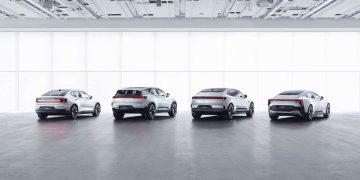


The Polestar Q2 loss highlighted the intense pressure on electric vehicle makers. The Swedish EV brand reported a net loss of $1.03 billion for the quarter ending June 30. That compares with a $268 million loss a year earlier. U.S. tariffs and rising price competition drove the result, alongside a heavy impairment charge on the Polestar 3.
Polestar slashed the recoverable value of its Polestar 3 to $25 million, recording a $739 million impairment. Volvo Cars, which builds the model in South Carolina, booked a similar charge for its ES90 and EX90 due to tariff impacts and delayed launches.
Executives underlined a cautious stance toward the U.S. market. “We will not grow in the U.S. at any cost, because the financial exposure is too high,” the company stated on its earnings call. In the first half of 2025, Europe made up 77% of sales, while the U.S. contributed only 8%.
Analysts remain concerned. Garrett Nelson of CFRA Research warned that Polestar faces weak EV demand in the absence of incentives, as well as persistent liquidity challenges. Like many EV startups, Polestar has burned cash in its scale-up phase and struggled to manage debt.
The company initially aimed for cash flow break-even by 2025. In January, it pushed that target to 2027, before suspending guidance entirely as tariff uncertainty deepened. Despite repeated risks of breaching debt covenants, Polestar renegotiated terms with lenders to remain compliant through the second half of the year. As part of financing arrangements, it handed over 177 cars as collateral.
Industry comparisons show how fragile the sector is. EV startups such as Fisker, Lordstown, and Arrival collapsed after running out of cash. Others survived with strong backers. Lucid secured $8 billion from Saudi Arabia’s Public Investment Fund, while VinFast continues to receive support from its founder as it targets break-even by 2026.
Polestar also tapped investors. In June, Geely chairman Li Shufu provided a $200 million equity boost through PSD Investment. The cash injection buys time, but the company still faces stiff tariff headwinds and competitive pricing.
The Polestar Q2 loss underscores the risks for EV startups in a shifting global trade and demand environment. The company must balance market expansion with liquidity management while pushing forward its premium EV lineup.
READ: VW, Volvo, Polestar, JLR, and Ineos Push Ahead with EV and Hybrid Plans Despite Tariffs

