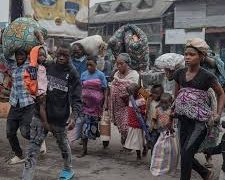


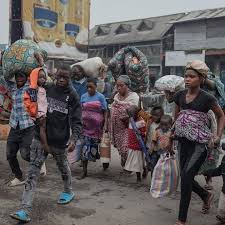
M23 captures Uvira, forcing thousands of civilians to flee renewed fighting in eastern Democratic Republic of the Congo despite a recent peace deal. Families escaping the city describe panic, deaths, and separation as violence returned within days of the agreement.
The Rwanda-backed M23 rebel group has taken full control of Uvira, a key city in South Kivu province. The capture happened only one week after a United States-mediated peace accord was signed in Washington. The deal was meant to reduce violence, but clashes on the ground quickly proved otherwise.
Armed fighters moved through Uvira after the takeover. Witnesses said rebels searched streets and neighborhoods for Congolese army soldiers and allied local militias, known as Wazalendo. Gunfire and explosions pushed many residents to run for safety. Some homes were damaged, while others were abandoned in haste.
A few days later, small groups of residents cautiously returned. They found a strong rebel presence across the city. Many said they feared new fighting and possible retaliation. Daily life remains uncertain, with schools, markets, and basic services disrupted.
Across the border in Rwanda, Congolese refugees shared painful stories. At camps near the frontier, families said they fled with nothing after bombs hit their homes. Some parents escaped with only a few of their children and do not know where the others are. Others spoke of seeing dead bodies along escape routes.
Regional officials report that more than 400 civilians have been killed since violence increased in early December. Women and children are among the victims. Aid groups warn that the number could rise as fighting continues and access remains limited.
As M23 captures Uvira and strengthens its control in South Kivu, hopes for lasting peace are fading. For displaced families, survival now depends on humanitarian aid, while uncertainty hangs over the future of eastern DRC.

