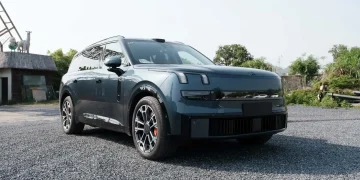


The automotive industry is evolving rapidly, and new technologies are changing the way we view transportation. One significant trend is the growing popularity of Extended-Range EVs, which combine electric power with gas engines serving as backup generators. While these vehicles promise the best of both worlds, they may soon face a significant challenge from advances in battery technology and the expansion of charging infrastructure, potentially making them obsolete.
The Appeal of Extended-Range EVs
Extended-Range EVs are popular because they help alleviate range anxiety. These vehicles provide a gas-powered backup when the battery runs low, making them more accessible to people who are concerned about running out of power. For larger vehicles requiring additional power for towing or hauling, this backup option is especially valuable. However, with battery ranges improving steadily and charging infrastructure expanding rapidly, the need for these hybrid systems is decreasing, particularly in urban areas with robust EV charging stations.
Changing Trends in China
In China, the trend is shifting away from Extended-Range EVs. In 2024, 57% of car buyers opted for fully electric vehicles, with 43% choosing Extended-Range EVs. By November 2025, however, the numbers had changed significantly. Now, 73% of buyers are choosing pure electric vehicles (BEVs), while only 27% are opting for Extended-Range EVs. This shift highlights growing confidence in pure electric cars, especially as charging stations become more powerful and widespread. Some charging stations in China now provide 1-megawatt power, allowing EVs to charge in just five minutes. This rapid charging makes range-extending gas engines less necessary.
China’s Expanding Charging Infrastructure
China’s charging infrastructure is expanding rapidly, with over 19 million charging stalls in operation—a 52% increase from 2024. This rapid growth in charging availability makes it easier for consumers to switch to pure electric vehicles without worrying about range anxiety. As a result, Extended-Range EVs, once considered a practical solution for long trips and remote areas, are becoming less appealing.
Advances in Battery Technology
Modern electric vehicles already offer ranges of around 300 miles, and many newer models surpass 400 miles. Some automakers are even working on solid-state batteries that could go well beyond that, while also offering faster charging times. With these advancements, the gas engine backup system in Extended-Range EVs seems increasingly unnecessary. In the coming years, it’s likely that pure electric vehicles will provide both the range and charging speed needed for most consumers, leaving Extended-Range EVs behind.
The Declining Popularity of Extended-Range EVs
Despite advancements in battery technology, several Chinese automakers are still releasing new Extended-Range EVs. However, sales growth for these vehicles has been tapering off. In 2023, sales grew by just 70.9%, compared to the 130% growth in 2022. As battery prices fall and more affordable pure EVs emerge, the future of Extended-Range EVs looks uncertain.
Use Cases for Extended-Range EVs in the Future
There will still be a place for Extended-Range EVs in regions where charging infrastructure is lacking. In rural or less-developed areas, where charging stations are sparse or unreliable, the ability to rely on a combustion engine to recharge the battery will help reduce range anxiety. However, as more cities and countries invest in EV infrastructure, the need for Extended-Range EVs will likely diminish.
Global Trends: The U.S. and Europe
While China leads in EV adoption, the U.S. and Europe are also experiencing shifts. Many U.S. automakers, including Ford and BMW, are exploring the Extended-Range EV market. However, as battery technology improves, these models may become unnecessary compromises, with pure electric versions being the preferred choice. In Europe, plug-in hybrids are still favored, but even there, the market is gradually moving toward pure EVs.
As the industry evolves, Extended-Range EVs may become increasingly less relevant, with the growing affordability and practicality of fully electric vehicles. The shift towards all-electric cars is inevitable, driven by both advances in technology and growing environmental concerns.
Read Also
Volvo EX30 Debut
Kia EV4 Debut
Hyundai’s Biggest EV Debut
As charging infrastructure continues to improve and battery technology advances, Extended-Range EVs are likely to phase out, with pure EVs becoming the default choice for car buyers globally. The future of electric mobility is bright, and the need for gas-powered backup systems may soon be a thing of the past.

