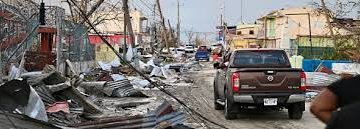


Jamaica has launched a strategic $6.7 billion hurricane recovery plan. This comprehensive initiative is a direct response to the catastrophic damage caused by Hurricane Melissa. The funding marks a pivotal step toward national reconstruction and long-term climate resilience. International financial institutions are unifying to support this critical effort.
The Catalyst: Hurricane Melissa’s Historic Impact
Hurricane Melissa was a historic climate event. It was the most powerful storm to strike Jamaica in over 170 years. The hurricane delivered unprecedented rainfall, leading to severe flooding and destructive landslides. Preliminary damage assessments reached a staggering $10 billion. This sum represented nearly 30% of Jamaica’s annual economic output. The storm’s aftermath involved clearing millions of tonnes of debris and repairing vital infrastructure. This scale of destruction made a robust and well-funded hurricane recovery plan an absolute necessity for the island nation.
Funding the Vision: A Global Financial Coalition
The execution of this hurricane recovery plan is powered by a major global coalition. Key development banks have partnered to provide the necessary capital. The total package includes up to $3.6 billion in direct financing for the Jamaican government. Leading contributors to this fund include three primary institutions. The CAF-Development Bank of Latin America has committed significant resources. The Inter-American Development Bank Group is also a major contributor. Furthermore, the World Bank has pledged substantial support. Additional backing comes from the International Monetary Fund (IMF) and the Caribbean Development Bank (CDB). This collective action underscores strong international confidence in Jamaica’s rebuilding strategy.
Strategic Priorities: Beyond Reconstruction to Resilience
This hurricane recovery plan is designed to do more than just rebuild. Its core principle is to “build forward better.” The focus extends past restoring damaged structures. A significant portion of investments will modernize critical infrastructure. The goal is to enhance durability against future extreme weather. The plan also prioritizes community and environmental resilience. Projects will likely focus on reinforced housing, upgraded drainage systems, and protected coastal zones. Strengthening national disaster response frameworks is another key objective. This holistic approach ensures the funding creates a more resilient Jamaica.
The Road Ahead: Implementation and Lasting Partnership
The successful implementation of this hurricane recovery plan is a multi-year journey. It requires continuous coordination between the Jamaican government and its international partners. The collaboration combines financial resources with vital technical expertise. This partnership is essential for innovative and sustainable reconstruction. The ultimate vision is clear. Jamaica aims to recover from a devastating event and emerge stronger. This plan lays the foundation for a future that is economically stable and environmentally secure. It is a powerful model for climate-vulnerable nations worldwide.

