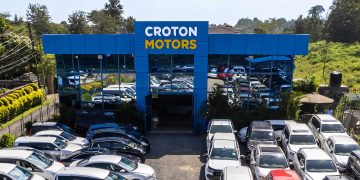


Buying a used car in Kenya can be a smart financial decision, especially given the high cost of brand-new vehicles and import duties. The second-hand car market in Kenya is vibrant, offering a wide range of options from locally used vehicles to imports. However, without proper due diligence, buyers risk purchasing vehicles with hidden mechanical problems, legal disputes, or inflated prices. This guide outlines practical tips and a clear checklist to help you buy a used car confidently and safely.
Understanding the Used Car Market in Kenya
Kenya’s used car market includes locally used vehicles and second-hand imports, mainly from Japan, the UK, and Thailand. Locally used cars are often easier to verify in terms of ownership history, while imports may offer better condition and mileage if properly inspected.
Popular buying locations include Nairobi, Mombasa, Nakuru, and other major towns, where car yards and private sellers operate extensively. Regardless of where you buy, the key is to focus on condition, documentation, and value rather than price alone.
Set a Realistic Budget
Before viewing any vehicle, determine your total budget. This should include not only the purchase price but also additional costs such as:
- Transfer of ownership
- Insurance cover
- Inspection fees
- Repairs or servicing after purchase
- Fuel and routine maintenance
Avoid stretching your budget to the limit. A slightly cheaper car that requires major repairs may cost more in the long run than a well-maintained vehicle priced higher.
Choose the Right Car for Your Needs
Think carefully about how you plan to use the car. Daily commuting, long-distance travel, business use, or family transport all require different vehicle characteristics. Consider fuel efficiency, engine size, availability of spare parts, and ease of maintenance.
In Kenya, models with readily available parts and local mechanic familiarity are easier and cheaper to maintain. Resale value is another important factor if you plan to upgrade in the future.
Inspect the Car Thoroughly
Physical inspection is one of the most critical steps when buying a used car. Never rely solely on photos or seller descriptions.
Key areas to inspect include:
- Exterior: Check for dents, rust, uneven paint, and signs of accidents
- Interior: Examine seats, dashboard, electronics, and air conditioning
- Engine: Look for oil leaks, unusual noises, or excessive smoke
- Suspension and tires: Uneven tire wear may indicate alignment or suspension issues
- Test drive: Always test the car on different road conditions
If you lack mechanical expertise, hire a trusted mechanic to inspect the vehicle before committing.
Verify Ownership and Legal Documents
Documentation is as important as the physical condition of the car. Ensure the seller is the legitimate owner.
Key documents to check include:

- Original logbook
- Seller’s national ID or company documents
- Matching chassis and engine numbers
Confirm ownership details through National Transport and Safety Authority to ensure the car is not stolen, financed, or under dispute. Avoid vehicles with pending loans, court cases, or unclear ownership history.
Conduct an Official Vehicle Inspection
Before transfer, all used vehicles must undergo inspection. This ensures roadworthiness and confirms vehicle details. An inspection report highlights structural damage, engine condition, and compliance with safety standards.
Inspection protects buyers from unknowingly purchasing unsafe or illegally modified vehicles. Always insist on a valid inspection certificate before completing the transaction.
Negotiate Smartly
Used car prices in Kenya are often negotiable. Use inspection findings, market comparisons, and repair estimates as leverage. Avoid showing excessive eagerness, and be prepared to walk away if the deal feels rushed or suspicious.
Be cautious of prices significantly below market value. Such deals may hide serious mechanical or legal issues.
Complete Ownership Transfer Properly
Ownership transfer must be completed officially through NTSA’s digital system. Both buyer and seller should confirm the transfer to avoid future disputes or liabilities.
Do not make full payment until the transfer process is initiated and acknowledged. Retain copies of all transaction documents for your records.
Common Mistakes to Avoid
- Buying without inspection
- Ignoring ownership verification
- Paying before transfer initiation
- Trusting verbal assurances instead of documentation
- Rushing decisions due to pressure
Avoiding these mistakes significantly reduces risk and improves your buying experience.
Used Car Buying Checklist
Before finalizing your purchase, confirm that you have:
- Set a total budget
- Inspected the car physically
- Test-driven the vehicle
- Verified logbook and ownership
- Checked NTSA records
- Conducted official inspection
- Negotiated a fair price
- Initiated ownership transfer
Buying a used car in Kenya can be rewarding when done correctly. By following a structured process, inspecting both the vehicle and documents, and avoiding rushed decisions, buyers can secure reliable vehicles at good value. The key is patience, due diligence, and informed decision-making. With the right approach, a used car can serve you efficiently for years while saving you significant costs.

