


Urban mobility in Kenya is undergoing a major transformation. As congestion, fuel costs, and environmental concerns intensify, car-sharing services are emerging as a practical alternative to private car ownership. In 2026, car-sharing is increasingly visible across major Kenyan cities, offering flexible, tech-driven transport solutions that align with changing lifestyles in Kenya.
From app-based ride access to short-term vehicle rentals, car-sharing is reshaping how urban residents move, work, and plan daily travel. This shift reflects broader trends in digital payments, smartphone adoption, and the growing preference for access over ownership.
Understanding Car-Sharing in the Kenyan Context
Car-sharing refers to services that allow users to access vehicles on demand without owning them. Unlike traditional car rentals, car-sharing platforms emphasize short-term use, digital booking, and flexible pricing. Users can book a car for minutes, hours, or days using mobile apps.
In Kenyan cities, car-sharing takes several forms. These include peer-to-peer car access, fleet-based shared vehicles, and ride-sharing hybrids that combine features of taxis and rentals. The model is particularly suited to dense urban environments where parking constraints and traffic congestion reduce the appeal of private ownership.
Why Car-Sharing Is Gaining Momentum
Several factors are driving the rise of car-sharing services in Kenya. Rapid urbanization has increased pressure on transport systems, especially in cities like Nairobi, where congestion affects productivity and quality of life.
Rising vehicle ownership costs also play a role. Purchase prices, insurance, maintenance, fuel, and parking expenses make private cars increasingly expensive for many urban residents. Car-sharing allows users to pay only when they need a vehicle, reducing fixed costs.
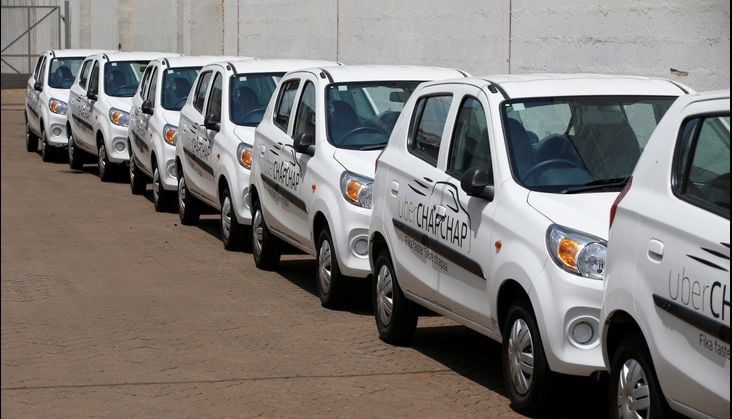
Digital infrastructure has enabled this shift. Widespread smartphone use, mobile money integration, and GPS technology make it easy to locate, book, and pay for shared vehicles in real time.
Impact on Urban Mobility and Traffic
Car-sharing has the potential to ease congestion by reducing the number of privately owned vehicles on the road. When multiple users share a single car, overall vehicle demand declines. This effect is most pronounced when car-sharing complements public transport rather than replaces it.
In Kenyan cities, car-sharing is increasingly used for specific needs such as errands, business meetings, airport trips, and off-peak travel. This targeted use helps optimize vehicle utilization and reduces idle parking time.
As cities invest in smarter transport planning, car-sharing can integrate with buses, commuter trains, and non-motorized transport to create more efficient mobility networks.
Environmental and Sustainability Benefits
Environmental considerations are becoming more important in urban planning. Car-sharing supports sustainability by reducing emissions per capita and encouraging the use of newer, more efficient vehicles. Some operators are exploring electric or hybrid fleets to further lower environmental impact.
Fewer cars also mean reduced demand for parking space, allowing cities to repurpose land for green areas, pedestrian zones, and commercial development. These changes contribute to healthier and more livable urban environments.
Business Models and Market Opportunities
Kenya’s car-sharing market offers diverse opportunities for entrepreneurs and investors. Fleet-based operators manage their own vehicles, ensuring quality control and predictable availability. Peer-to-peer platforms allow private car owners to earn income by sharing idle vehicles.
Corporate car-sharing is another emerging segment. Businesses use shared fleets for staff mobility, reducing the need to maintain company vehicles. This model lowers costs and improves operational efficiency.
Integration with digital payments and insurance services strengthens these business models, making transactions seamless and secure.
Challenges Facing Car-Sharing Services
Despite its promise, car-sharing in Kenya faces challenges. Traffic congestion can reduce service reliability, while poor road conditions in some areas increase vehicle wear and maintenance costs.
Regulatory clarity is still evolving. Clear policies on insurance, licensing, and consumer protection are essential for sustainable growth. Trust is another factor, particularly for peer-to-peer models where vehicle condition and user behavior must be carefully managed.
Public awareness also remains limited. Many potential users are unfamiliar with car-sharing concepts or skeptical about availability and reliability.
Role of Technology and Data
Technology underpins the success of car-sharing services. Mobile apps handle booking, navigation, payments, and customer support. Data analytics help operators optimize fleet placement, pricing, and maintenance schedules.
As artificial intelligence and smart city initiatives expand, car-sharing platforms can integrate with traffic systems and urban planning tools, improving efficiency and user experience.
The Future Outlook
The rise of car-sharing services in Kenyan cities reflects a broader shift toward flexible, digital, and sustainable mobility. As urban populations grow and transport challenges intensify, demand for shared mobility solutions is expected to increase.
Partnerships with local governments, property developers, and public transport providers can accelerate adoption. Education and incentives may also encourage users to view car-sharing as a reliable alternative rather than a niche service.
Car-sharing services are redefining urban transport in Kenya. By offering cost-effective, flexible, and environmentally friendly mobility options, they address key challenges facing Kenyan cities in 2026. While regulatory and operational hurdles remain, continued innovation and collaboration position car-sharing as a vital component of the future urban transport ecosystem.

