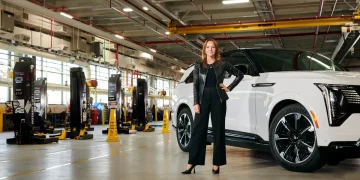


A Shifting Landscape in the Automotive Industry
As the automotive industry moves into 2026, several complex factors are reshaping the landscape for automakers, dealers, and consumers alike. With challenges such as new tariffs, supply chain disruptions, evolving regulations, and a fluctuating electric vehicle (EV) market, the road ahead presents both opportunities and risks. After years of significant investment in electrification, many automakers are recalibrating their strategies in response to market realities and regulatory changes.
The automotive industry is undergoing a transformation at a faster pace than ever before. Automakers and dealers alike are being forced to adapt to these changes, all while striving to meet consumer expectations and deal with the impact of global events. From the complexities of compliance with shifting environmental regulations to the rise of omnichannel car buying experiences, 2026 promises to be a pivotal year for the automotive sector.
Key Trends to Watch: Tariffs and Regulatory Changes
In 2026, the automotive industry continues to navigate a dynamic regulatory environment. After the wave of changes initiated by the Trump Administration regarding trade policies and tariffs, the effects on automakers are still being felt. With global trade practices evolving, automakers are faced with the difficult decision of either adapting to a patchwork of regional compliance rules or absorbing the costs of new tariffs that threaten to reduce their margins.
OEMs are particularly challenged by the increasingly complex tariff structure that impacts everything from vehicle components to raw materials. As trade relationships shift, companies must adjust their strategies to manage costs while remaining competitive in the global market. The introduction of tariffs by various governments has placed immense pressure on the auto industry, especially for manufacturers reliant on global supply chains.
Simultaneously, emission regulations have also undergone revisions. With some governments relaxing emission requirements in light of economic slowdowns and changing political climates, automakers must evaluate their strategies for meeting sustainability goals. While some manufacturers had initially committed to aggressive timelines for EV production, the adjustments in regulatory frameworks may give them more time to meet those targets, leading to shifts in the pace of electrification.
The Evolving Electric Vehicle (EV) Market
The electric vehicle market in 2026 is poised for significant shifts. After years of rapid growth in EV adoption, some automakers are taking a step back to reassess their goals in response to a market slowdown. EV sales, which had been on a sharp upward trajectory, have begun to plateau as consumers express concerns over pricing, charging infrastructure, and the long-term viability of electric cars.
Automakers are facing the delicate task of balancing the transition to electric mobility with the realities of consumer demand. While some have invested billions into electrification, the pace of change is no longer as aggressive as originally planned. Rising material costs, the volatility of global supply chains, and shifting consumer sentiment all play a role in recalibrating EV strategies. OEMs are increasingly focusing on providing a broader array of EV options, with varying price points and capabilities, to appeal to a more diverse consumer base.
On the flip side, there is still considerable optimism about the potential of EVs, especially as new technologies such as solid-state batteries, faster charging, and greater range continue to emerge. Automakers are doubling down on these innovations in an effort to overcome some of the initial barriers to EV adoption, from charging station availability to the overall cost of ownership.
Dealership Evolution: The Rise of Omnichannel Experiences
For dealers, 2026 is expected to bring continued evolution in how cars are sold. A growing demand for an omnichannel buying experience means that more consumers expect to have a seamless interaction across online and offline touchpoints when making a purchase. Dealerships will need to focus on integrating online browsing, virtual car demonstrations, and digital financing options into their business models to meet this demand.
The pandemic has accelerated the shift towards online car buying, and dealers now face the challenge of integrating digital experiences with traditional showroom environments. Customers want more convenience, from browsing vehicles online to completing the purchase process with minimal in-person interaction. This means that dealers must invest in technology, such as virtual showrooms, real-time vehicle availability tracking, and online customer service tools, to remain competitive.
At the same time, dealerships must adapt to the growing expectation for greater transparency in the buying process. Consumers are increasingly seeking more information about a car’s features, history, and ownership costs before committing to a purchase. Retailers that can provide these insights will have a competitive advantage in an increasingly tech-savvy market.
Software-Defined Vehicles and Over-the-Air Updates
One of the most exciting trends in the automotive industry is the rise of software-defined vehicles (SDVs). As vehicles become more connected and feature-rich, automakers are investing heavily in software to differentiate their products. SDVs are vehicles where the majority of features and functions are controlled by software, including infotainment, driver-assistance systems, and even performance capabilities.
A major part of this transformation is the ability to provide over-the-air (OTA) updates to vehicles, a concept that is fast gaining traction across the industry. OTA updates allow automakers to fix bugs, improve system functionality, and even enhance the vehicle’s performance without requiring a trip to the dealership. This offers consumers added convenience and ensures that their vehicles remain up to date with the latest software enhancements, much like a smartphone or tablet.
For automakers, this shift represents a significant change in how they deliver value to customers. It opens the door for new revenue streams from software subscriptions and upgrades, giving car manufacturers an ongoing relationship with their customers beyond the initial sale. However, building fully integrated SDVs remains a challenge, especially as automakers need to ensure the software is secure, reliable, and user-friendly.
Navigating the Challenges of Supply Chain and Global Instability
The automotive industry continues to face significant supply chain disruptions, particularly due to the ongoing effects of the COVID-19 pandemic, geopolitical tensions, and trade uncertainties. With global chip shortages and disruptions in the availability of key components, manufacturers are struggling to meet demand while managing production delays. These challenges have caused a backlog of vehicle orders and limited inventory on dealership lots, which in turn impacts sales.
Additionally, fluctuations in commodity prices, particularly for materials like steel, aluminum, and lithium, are increasing production costs. Automakers are finding it increasingly difficult to manage these rising costs, which are passed on to consumers in the form of higher vehicle prices.
Despite these challenges, automakers are working to adapt by diversifying their supply chains, investing in local production facilities, and exploring new partnerships with suppliers to reduce reliance on external markets. In addition, manufacturers are prioritizing sustainability efforts by securing more eco-friendly materials for production.
A Year of Transition and Transformation
The automotive industry in 2026 is at a crossroads. With shifting priorities, evolving consumer expectations, and the ongoing effects of global events, automakers must navigate an increasingly complex landscape. Whether it’s adapting to the changing pace of EV adoption, managing the rise of software-defined vehicles, or dealing with supply chain challenges, the industry faces both significant obstacles and exciting opportunities.
As we move forward, it will be essential for OEMs, dealerships, and other stakeholders to stay nimble and adaptable in the face of these dynamic trends. By embracing technological advancements, evolving business models, and responding to consumer demands for more seamless and transparent experiences, the automotive industry will continue to evolve and drive the future of mobility.

