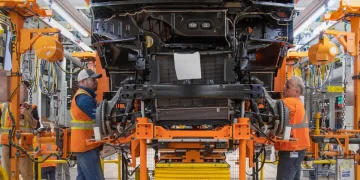


The Canadian automotive sector is at a crossroads in 2026, grappling with a combination of shifting trade policies, evolving government regulations, and the growing influence of electric vehicles (EVs). With ongoing tensions around tariffs, domestic policies on electric vehicle sales, and trade agreements, the future of the industry is clouded with uncertainty. The changes brought by these factors are affecting automakers’ strategies and investments, creating a complex environment for Canada’s auto sector.
Impact of Trade Policies and USMCA Negotiations
For years, the Canadian auto industry has been tightly linked to American manufacturers, with cross-border trade playing a pivotal role in the success of both markets. However, recent policy shifts, particularly under the Trump administration, have cast doubt on the future of this vital trade relationship. The ongoing renegotiation of the United States-Mexico-Canada Agreement (USMCA), which was put in place in 2020, adds another layer of complexity to the situation.
The current agreement is set to expire in 2036, but the U.S., under President Donald Trump, has expressed dissatisfaction with the terms and has considered withdrawing from the deal. This puts Canadian automakers in a precarious position, as any change to the USMCA could have significant economic consequences. In particular, any decision to exit the agreement would likely disrupt the border-free market that Canada shares with the U.S. and Mexico, potentially making it harder for Canadian automakers to access U.S. markets.
While the future of the trade deal remains uncertain, some experts, including Brian Kingston, president of the Canadian Vehicle Manufacturers’ Association, remain hopeful. Kingston believes that the U.S. is unlikely to withdraw from the USMCA due to the considerable investments U.S. companies have in North America’s integrated market. He also expressed a desire for the review process to proceed smoothly and not drag on, as prolonged uncertainty could limit investments and create instability within the auto sector.
Canada’s Push for Stronger EV Policies
Alongside trade issues, the Canadian government is focusing on domestic policy changes, particularly around the sale of electric vehicles (EVs). The country is shifting toward increasing its electric vehicle market share, with new policies aimed at encouraging more sustainable transportation options. However, there are significant challenges in meeting these ambitious EV targets, which are driving further uncertainty in the auto industry.
In response to production cuts at General Motors and Stellantis plants in Ontario, the Canadian Department of Finance reduced the market access of these companies, lowering their import quotas as a penalty. Furthermore, Canada’s Ministry of Industry served Stellantis with a notice of default on funding contracts, alleging violations of job protection provisions. These actions indicate that the Canadian government is serious about protecting domestic jobs and ensuring that automakers adhere to commitments related to local production.
The future of EV sales targets in Canada also remains in flux. The government’s policy on electric vehicle sales is evolving, with many within the industry pushing for a formal end to these sales targets. For automakers in Canada, the uncertainty surrounding these policies adds another layer of complexity, as they try to plan for the future in a rapidly changing market.
China’s Growing Influence in Canada’s Auto Market
Another significant shift for Canada’s automotive sector is the growing market access for Chinese-built electric vehicles (EVs). Canada has reduced its reliance on U.S.-based production and begun to open its doors wider to Chinese EVs. This move could be a strategic response to the increased demand for electric vehicles and a desire to diversify supply chains. However, this shift may also lead to increased competition for Canadian automakers as Chinese manufacturers enter the Canadian market with affordable and efficient electric models.
This growing influence of Chinese EVs in Canada is part of a broader trend of integrating electric vehicle production and market access. As global automakers shift their focus toward electrification, Canadian manufacturers are grappling with the challenge of maintaining competitiveness against global and domestic forces pushing for EV dominance.
The Outlook for Canada’s Automotive Future
As Canada enters 2026, the outlook for its automotive industry remains uncertain. On one hand, ongoing trade negotiations, particularly with the U.S., could lead to more favorable conditions for Canadian automakers. On the other hand, domestic policies aimed at reducing emissions and promoting electric vehicles could push the industry into uncharted territory, potentially requiring major changes in production methods and sales strategies.
In particular, automakers will need to remain flexible and responsive to the evolving policy landscape. While the industry will likely continue its transition toward electric vehicles, this shift will be challenging. Issues related to production capacity, infrastructure, and meeting ambitious environmental goals will require careful coordination between automakers, the government, and other stakeholders.
The Role of Government and Industry Cooperation
The Canadian government has been vocal about its commitment to supporting the auto industry, particularly in terms of protecting jobs and fostering innovation. As Minister Mélanie Joly stated in her testimony to legislators, protecting auto jobs is essential to Canada’s economic foundation. Moving forward, government policies will continue to play a crucial role in shaping the future of the automotive sector, especially as trade policies, EV regulations, and labor standards continue to evolve.
While the challenges facing Canada’s auto industry in 2026 are significant, they are not insurmountable. By fostering collaboration between government, industry, and international partners, Canada’s automotive sector can continue to thrive in an increasingly complex and competitive global market.

