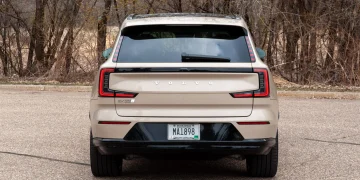


Volvo is exploring the possibility of expanding its SUV lineup with a new full-size, three-row vehicle designed to rival the likes of the Mercedes-Benz GLS and BMW X7. The Swedish automaker, which has seen success with its smaller models, is now focusing on the growing demand for larger SUVs in key markets like the U.S. and China. Although Volvo has not yet greenlit the project, President and CEO Håkan Samuelsson has indicated that the company is actively considering a “bigger” model that could be produced at its South Carolina facility.
The Growing Demand for Larger SUVs
As the automotive landscape shifts, consumers in both the U.S. and China are increasingly gravitating toward full-size SUVs that offer ample space, luxury features, and the latest tech. The trend has not gone unnoticed by Volvo, which has traditionally been known for its smaller, family-friendly SUVs. The company is keen to tap into the market of premium, three-row SUVs to meet customer expectations and expand its footprint in the highly competitive luxury segment.
Volvo’s CEO Håkan Samuelsson highlighted the importance of these markets, saying that the demand for larger SUVs in the U.S. and China is substantial. This demand is further underscored by the upcoming launch of Audi’s Q9, a new three-row SUV that will compete directly with the likes of the Mercedes GLS, BMW X7, and other full-size luxury models. As automakers race to capture a share of this lucrative market, Volvo’s potential entry could shake up the status quo and provide a fresh option for discerning SUV buyers.
An Unannounced Third Product: A Larger, Attractive Model for U.S. Customers
While no official confirmation has been made, Volvo is working on a third product designed specifically for the U.S. market. Samuelsson described the vehicle as being “very attractive for U.S. customers” and hinted that it could be a “bigger one.” This cryptic reference suggests that the vehicle could be a full-size, three-row SUV, which aligns with the company’s strategic shift towards larger models to meet customer demand. The fact that it will be built at Volvo’s South Carolina factory, which already produces the Volvo XC90, further fuels speculation that the new model will be a significant addition to the company’s portfolio.
The move to develop a larger SUV also reflects Volvo’s recognition of the evolving automotive trends, particularly in North America, where full-size, luxury SUVs are a staple in many households. By diversifying its offerings and entering this lucrative segment, Volvo can capture a broader audience, particularly in markets where spaciousness and luxury are high priorities.
Competing with Industry Giants: The Mercedes GLS and BMW X7
Volvo’s potential full-size SUV would face stiff competition from established industry giants like Mercedes-Benz and BMW. Both the Mercedes-Benz GLS and the BMW X7 have dominated the large luxury SUV segment, with their premium features, spacious interiors, and cutting-edge technology. To compete with these models, Volvo will need to offer a vehicle that can stand out in terms of performance, design, and technology.
One of Volvo’s key strengths has always been its focus on safety and family-friendly features. By incorporating these elements into its new full-size SUV, alongside the luxury and tech that consumers expect from high-end models, Volvo could carve out a unique niche for itself in this competitive market. Moreover, the brand’s commitment to sustainability and electric vehicles could be a significant draw for environmentally-conscious consumers who are looking for a more eco-friendly alternative to traditional luxury SUVs.
Volvo’s Growing Presence in the U.S. and Beyond
Volvo’s South Carolina plant has been a critical component of the company’s U.S. operations, and the potential new model would further solidify its presence in the region. The U.S. is a key market for Volvo, and the company has already seen success with its XC90 and XC60 models. However, as the automotive industry shifts towards larger, more luxurious vehicles, the addition of a full-size SUV could provide a significant boost to the brand’s sales and market share.
In addition to the U.S., China remains an important market for Volvo. The demand for full-size SUVs in China is growing rapidly, driven by a rising middle class and a preference for larger, more luxurious vehicles. If Volvo can tap into this market with a vehicle that combines luxury, technology, and Swedish design, it could see strong sales in one of the world’s largest and most competitive automotive markets.
Looking to the Future: Volvo’s Strategic Shift Towards Larger SUVs
The possible introduction of a full-size SUV is part of a broader strategy by Volvo to evolve its product lineup and stay competitive in the luxury vehicle market. The company has already made strides in the electric vehicle (EV) segment, with the XC40 Recharge and the upcoming EX90 electric SUV. By expanding its SUV offerings and potentially entering the full-size segment, Volvo is positioning itself for future growth in both traditional and electric markets.
As the automotive industry continues to shift towards electric mobility and consumer preferences evolve, Volvo’s ability to adapt and offer a diverse range of vehicles will be crucial. Whether the new full-size SUV becomes a reality or remains a concept, the company’s strategic focus on expanding its footprint in key global markets is a clear indication of its commitment to growth and innovation in the coming years.
A Bold Move for Volvo in the Luxury SUV Segment
Volvo’s consideration of a full-size, three-row SUV is a bold move that could redefine the company’s position in the luxury SUV market. With growing demand for larger vehicles in the U.S. and China, the potential new model could help Volvo tap into a lucrative segment dominated by established players like Mercedes-Benz and BMW. As the company continues to evolve its offerings and explore new markets, the addition of a larger, more luxurious SUV would solidify its standing in the global automotive landscape.
With a commitment to safety, sustainability, and cutting-edge technology, Volvo’s potential entry into the full-size SUV segment could provide consumers with a fresh, environmentally-conscious alternative to traditional luxury SUVs. As the market for premium vehicles continues to evolve, Volvo’s ability to innovate and adapt will be key to its continued success.

