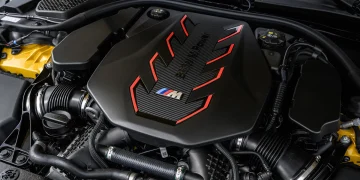


Despite the growing shift in the automotive industry towards electric vehicles (EVs), BMW has reaffirmed its commitment to high-performance engines, including the V8 and V12, in the face of its ongoing transition to electric powertrains. A spokesperson from the German automaker confirmed that, even as the core of its lineup moves towards electrification, internal combustion engines (ICE), especially high-performance V8 and V12 engines, will continue to play a significant role in the company’s future plans. This decision challenges rumors that the company was phasing out these iconic engines in favor of electric power.
V8 and V12 Engines Still Central to BMW’s High-Performance Strategy
The confirmation comes as BMW navigates the global trend of electrification in the automotive market. While major automakers, including BMW, are investing heavily in EV technologies, the company emphasized that its commitment to delivering high-performance driving experiences remains unchanged. “High-performance engines remain a central part of our strategy,” a BMW spokesperson stated, reaffirming the company’s dedication to its traditional engine lineup, despite the increasing focus on electric models.
Rumors had circulated in late 2025 that BMW would halt V8 production following the closure of the V8 engine production line at its Steyr facility in Austria. However, the company clarified that the closure of the facility only marked the relocation of production to its Hall facility in the UK. This transition allows BMW to continue producing its range of V8 and V12 engines alongside the production of more compact three- and four-cylinder engines, which have been part of the company’s strategy since 2022.
BMW’s decision to maintain production of these engines reflects a commitment to catering to enthusiasts who seek the power and performance that only a traditional high-performance engine can deliver. This stance also highlights the automaker’s ambition to maintain its competitive edge in the luxury and performance car segments, even as it shifts toward offering a broader range of EVs.
The Enduring Appeal of BMW’s High-Performance Engines
BMW’s V8 and V12 engines are iconic, known for their smooth power delivery, impressive torque, and exceptional performance. These engines have been a key part of BMW’s M series, including the M5, M6, and the 7 Series, as well as in the company’s flagship models like the 8 Series. The M5, in particular, has become a benchmark for luxury sports sedans, offering a combination of daily drivability with extreme performance.
The move to continue offering V8 and V12 engines ensures that BMW will remain a top contender in the high-performance sector, where engines of this size continue to offer unparalleled driving experiences. While many other automakers have moved towards hybridization or full electrification, BMW’s dedication to retaining these engines allows it to cater to a market that still values the visceral driving experience provided by a traditional combustion engine.
Transitioning to Electric Vehicles Without Sacrificing Performance
At the same time, BMW has recognized the importance of moving towards a fully electric future. The company’s EV offerings, like the iX3, i4, and iX, are part of a broader strategy to meet the increasing demand for sustainable mobility options while preserving its reputation for performance and luxury. BMW’s electric models are designed to offer the same driving dynamics that have become synonymous with the brand, with an emphasis on handling, comfort, and innovation.
Despite the company’s commitment to electric vehicles, BMW understands that the transition to electrification will take time and that many customers still desire the performance characteristics of traditional engines. As a result, the company is balancing its EV development with continued investment in internal combustion technology, offering the best of both worlds. This approach allows BMW to continue producing vehicles that cater to both traditional driving enthusiasts and those seeking sustainable, high-performance electric cars.
BMW’s Leadership in Performance and Innovation
The automotive industry is in the midst of an exciting transformation, with electrification driving much of the innovation. However, BMW’s decision to continue producing high-performance V8 and V12 engines serves as a reminder of the importance of brand heritage and the enduring appeal of performance driving. The brand’s ability to blend cutting-edge electric technology with the soul of internal combustion engines ensures that it remains a leader in both innovation and tradition.
Additionally, the continued development of these engines allows BMW to focus on refining and enhancing the driving experience in its high-performance models, ensuring that the thrill of driving is never compromised. For many enthusiasts, the roar of a powerful engine and the rush of acceleration will always be an integral part of the driving experience. BMW’s ongoing investment in these engines ensures that the company can continue to offer those thrills, even as the industry embraces electrification.
Expanding the EV Lineup and Balancing Tradition
BMW’s focus on both electrification and performance underscores its commitment to providing customers with a diverse range of options. The automaker’s future strategy includes introducing more fully electric models that retain the driving dynamics and performance attributes that the brand is known for. By offering a combination of electric and high-performance combustion engine options, BMW ensures that it meets the diverse needs of its global customer base.
The company is also focused on expanding its EV lineup to cater to growing demand. Upcoming electric models are expected to push the boundaries of performance and technology, with BMW’s innovative powertrains offering enhanced range, quicker charging, and more efficient power management. By leveraging its experience in producing both traditional and electric vehicles, BMW is well-positioned to remain a top player in the evolving automotive landscape.
The Future of BMW: A Hybrid Approach
As the automotive industry continues to shift toward sustainability and electrification, BMW’s decision to continue producing V8 and V12 engines highlights the brand’s ability to adapt while staying true to its performance roots. The combination of cutting-edge electric technology and high-performance combustion engines ensures that BMW can offer a wide range of vehicles that appeal to all types of drivers.
BMW’s strategy to balance performance, innovation, and sustainability is a testament to its commitment to providing the best of both worlds. Whether through the roar of an engine or the quiet efficiency of an electric powertrain, BMW is committed to delivering an unforgettable driving experience for every customer, no matter the power source.

