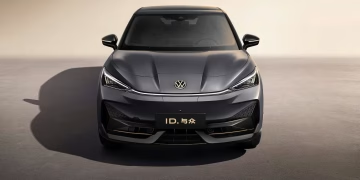


Volkswagen has started series production of its first China-built vehicle featuring Volkswagen zonal architecture—a foundational shift in how the automaker designs and builds cars. This milestone marks a critical advance in Volkswagen’s push toward software-defined vehicles (SDVs), where core functions rely on centralized computing rather than traditional distributed electronics.
Unlike conventional automotive wiring systems—which use dozens of individual control units scattered across the vehicle—the new zonal architecture groups functions into domains managed by high-performance central computers. This simplifies wiring, cuts weight, reduces costs, and enables over-the-air software updates that can add features or improve performance long after purchase.
The China-built model is the first in Volkswagen’s global portfolio to use this next-generation electronic and electrical (E/E) system at scale. It reflects the company’s strategy to accelerate digital transformation, especially in key markets like China where consumer demand for smart, connected vehicles is surging.
By adopting zonal architecture, Volkswagen aims to shorten development cycles, enhance cybersecurity, and unlock new revenue streams through software services. The system also paves the way for advanced driver-assistance and future autonomous capabilities by providing the robust, scalable backbone these technologies require.
This move positions Volkswagen to better compete with tech-savvy rivals like Tesla and Chinese EV makers, who have led in software integration. It also supports the automaker’s broader “New Auto” strategy, which treats the car as a digital platform rather than just hardware.
In summary, the rollout of Volkswagen zonal architecture in China signals more than a technical upgrade—it represents a fundamental rethinking of vehicle design. As software increasingly defines the driving experience, this shift could determine who leads the next era of mobility.
READ: UK Car Production Hits 70-Year Low After JLR Cyberattack

